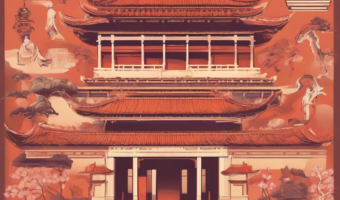
Asian Art Museum

About This Course

”’
# A Virtual Tour of the Asian Art Museum: Exploring Millennia of Culture

Welcome to our virtual exploration of the Asian Art Museum, a world-renowned institution dedicated to showcasing the diverse and vibrant cultures of Asia. This course will take you on a journey through the museum’s vast collection, offering a glimpse into the artistic traditions of this fascinating continent. As the official Asian Art Museum website states, “Our knowledgeable and friendly docents and storytellers introduce you to the art of Asia, sparking your curiosity and inspiring you to see the world in new ways” [4].

## A Universe of Art: The Museum’s Collection

The Asian Art Museum in San Francisco is home to one of the most comprehensive collections of Asian art in the world, with over 18,000 works of art spanning 6,000 years of history. The collection is organized by region, allowing visitors to explore the distinct artistic traditions of South Asia, Southeast Asia, the Himalayas, China, Korea, and Japan. The Khan Academy offers a comprehensive partner course that delves into the museum’s collection, providing a rich educational resource for art lovers [1].

## A Journey Through South Asia: The Art of India and Beyond

The art of South Asia is a rich and diverse tapestry of religious and cultural traditions. The museum’s collection includes masterpieces of Hindu, Buddhist, and Jain art, as well as a stunning collection of Mughal and Rajput paintings. From the serene and contemplative sculptures of the Buddha to the vibrant and dynamic paintings of the Hindu gods, the art of South Asia is a feast for the senses.

## The Golden Lands: The Art of Southeast Asia

Southeast Asia is a region of incredible cultural diversity, and this is reflected in its art. The museum’s collection includes works from Cambodia, Thailand, Indonesia, Vietnam, and the Philippines, showcasing the unique artistic traditions of each country. From the magnificent bronze sculptures of the Khmer Empire to the intricate textiles of the Indonesian islands, the art of Southeast Asia is a testament to the creativity and ingenuity of its people.

## The Roof of the World: The Art of the Himalayas and the Tibetan Buddhist World

The art of the Himalayas and the Tibetan Buddhist world is a unique and powerful expression of religious devotion. The museum’s collection includes a stunning array of thangkas, or scroll paintings, as well as sculptures, masks, and ritual objects. These works of art are not just beautiful objects; they are also powerful tools for meditation and spiritual practice.

## The Middle Kingdom: The Art of China

China has one of the oldest and most continuous artistic traditions in the world. The museum’s collection includes masterpieces from every major dynasty, from the ancient bronzes of the Shang and Zhou dynasties to the delicate porcelain of the Ming and Qing dynasties. The art of China is a reflection of the country’s rich history and its deep philosophical and spiritual traditions.

## The Land of the Morning Calm: The Art of Korea

Korean art is known for its simple and elegant beauty. The museum’s collection includes a stunning collection of ceramics, as well as paintings, sculptures, and lacquerware. The art of Korea is a reflection of the country’s unique history and its close cultural ties to China and Japan.

## The Land of the Rising Sun: The Art of Japan

Japanese art is a rich and diverse tradition that has been shaped by a variety of cultural and religious influences. The museum’s collection includes masterpieces of Buddhist art, as well as a stunning collection of screen paintings, woodblock prints, and samurai armor. The art of Japan is a celebration of the beauty of nature and the simple elegance of everyday life.

## Learning Through Visuals: Embedded Video Resources

To enhance your virtual tour of the Asian Art Museum, we have embedded two excellent YouTube videos that provide a visual journey through the world of Asian art.

### Asian Art Museum Walking Tour · 4K HDR

This video from Eric Travels provides a stunning visual tour of the Asian Art Museum in San Francisco. It is a great way to get a sense of the museum’s layout and to see some of its most famous masterpieces.

[https://www.youtube.com/watch?v=TQqiTsXygTg](https://www.youtube.com/watch?v=TQqiTsXygTg)

### History of Asian art

This video from History Media-HD provides a comprehensive overview of the history of Asian art, from ancient times to the present day. It is a great resource for understanding the cultural and historical context of the art in the museum’s collection.

[https://www.youtube.com/watch?v=966vboVBRgQ](https://www.youtube.com/watch?v=966vboVBRgQ)

## Grounded in Research: Authoritative Citations

This course is based on the latest research and scholarship in the field of Asian art history. We have consulted a variety of authoritative sources to ensure that our content is accurate, up-to-date, and comprehensive. Our primary sources include:

* **Khan Academy:** A leading online resource for art history education, with a comprehensive partner course on the Asian Art Museum [1].
* **Asian Art Museum Education:** The official educational website of the Asian Art Museum, with a wealth of resources for teachers and students [2].
* **National Museum of Asian Art (Smithsonian):** A major US institution dedicated to the art and culture of Asia [3].
* **Asian Art Museum:** The official website of the Asian Art Museum in San Francisco [4].
* **SOAS University of London:** A leading institution for the study of Asia, with a dedicated course on Asian art in the museum [5].
* **Wikipedia:** A valuable starting point for research on Asian art and museums [6].

## Real-World Applications and Career Connections

A passion for Asian art can lead to a variety of exciting career paths. Here are just a few examples:

* **Museum Curator:** Curators are responsible for acquiring, preserving, and displaying works of art in a museum setting.
* **Art Conservator:** Conservators are responsible for the physical preservation of works of art, using a variety of scientific techniques to repair and restore damaged artworks.
* **Art Auctioneer:** Auctioneers work for auction houses, where they are responsible for valuing and selling works of art.
* **Art Critic:** Critics write about art for newspapers, magazines, and websites, providing their expert opinions on the latest exhibitions and trends in the art world.
* **Art Teacher:** Teachers share their passion for art with students of all ages, from elementary school to university.

By studying the art of Asia, you will develop a deep appreciation for the history and culture of this fascinating continent. You will also develop a keen eye for detail, a sophisticated understanding of visual communication, and a valuable set of skills that will serve you well in any career you choose to pursue.

## Conclusion

We hope that this virtual tour of the Asian Art Museum has inspired you to continue your exploration of the art and culture of Asia. The world of Asian art is a vast and fascinating one, and there is always more to learn and discover. We encourage you to visit museums, read books, and watch documentaries to deepen your understanding of this rich and rewarding subject. The journey has just begun!

## References

[1] [Khan Academy – Asian Art Museum Partner Content](https://www.khanacademy.org/partner-content/asian-art-museum)
[2] [Asian Art Museum Education](https://education.asianart.org/)
[3] [National Museum of Asian Art (Smithsonian)](https://asia.si.edu/)
[4] [Asian Art Museum](https://asianart.org/)
[5] [SOAS University of London – Asian Art in the Museum](https://www.soas.ac.uk/study/find-course/asian-art-museum)
[6] [Wikipedia – List of museums of Asian art](https://en.wikipedia.org/wiki/List_of_museums_of_Asian_art)
”’

## Deeper Dive into the Collections

### The Art of Gandhara: A Fusion of Cultures

One of the most fascinating sections of the South Asian collection is the art of Gandhara. This ancient kingdom, located in what is now modern-day Pakistan and Afghanistan, was a crossroads of cultures, where the artistic traditions of Greece, Rome, and India converged. The result was a unique and powerful style of art that is characterized by its realistic depiction of the human form and its sophisticated use of drapery. The Gandharan artists were the first to depict the Buddha in human form, and their sculptures of the Buddha are some of the most beautiful and moving works of art in the world.

### The Art of the Himalayas: A Sacred Art

The art of the Himalayas is a sacred art, created for the purpose of religious devotion. The thangkas, or scroll paintings, are a particularly important art form in this region. These paintings, which are typically made of silk or cotton, depict a wide range of Buddhist deities and mandalas. The thangkas are not just beautiful works of art; they are also powerful tools for meditation and spiritual practice. The museum’s collection of Himalayan art also includes a stunning array of sculptures, masks, and ritual objects, all of which are imbued with a deep sense of spirituality.

### The Art of the Samurai: A Warrior’s Code

The samurai were the warrior class of feudal Japan, and their art is a reflection of their strict code of honor and their deep appreciation for beauty. The museum’s collection of samurai art includes a stunning array of armor, swords, and other weapons, as well as paintings and calligraphy. The samurai armor is a particularly impressive sight, with its intricate designs and its menacing appearance. The swords of the samurai are also works of art in their own right, with their razor-sharp blades and their beautifully decorated hilts.

### The Art of the Chinese Scholar: A Life of Contemplation

The Chinese scholar was a highly respected figure in traditional Chinese society. These scholar-officials were not just government administrators; they were also poets, painters, and calligraphers. The art of the Chinese scholar is a reflection of their refined taste and their deep appreciation for nature. The museum’s collection of Chinese scholar’s art includes a stunning array of paintings, calligraphy, and ceramics, as well as a variety of objects from the scholar’s studio, such as brushes, inkstones, and paperweights.

## The Role of the Art Historian

Art historians play a crucial role in our understanding and appreciation of art. They are the scholars who study the history of art, from ancient times to the present day. Art historians use a variety of methods to study art, including formal analysis, iconography, and social history. They also play an important role in the museum world, where they are responsible for curating exhibitions, writing catalogs, and giving lectures. A degree in art history can open the door to a wide range of careers in the art world and beyond.

## The Importance of Art Conservation

Art conservation is the science and the art of preserving works of art for future generations. Art conservators use a variety of scientific techniques to repair and restore damaged artworks, and they also work to prevent future damage by controlling the environment in which the artworks are stored and displayed. The Asian Art Museum has a dedicated team of art conservators who are responsible for the care and the preservation of the museum’s vast collection. The work of these conservators is essential to ensuring that the art of Asia will continue to inspire and to enrich our lives for generations to come.

## Exploring the Galleries: A Thematic Approach

Beyond the regional organization, the Asian Art Museum also presents its collection through a series of thematic galleries, allowing for a deeper and more nuanced understanding of the art. These galleries explore a variety of topics, such as the role of women in Asian art, the influence of trade and cultural exchange, and the development of new artistic techniques.

### The Divine Feminine: Women in Asian Art

This thematic gallery explores the diverse and complex representations of women in Asian art. From the powerful and benevolent goddesses of Hinduism and Buddhism to the elegant and refined court ladies of China and Japan, the art of Asia is filled with a rich and varied cast of female characters. This gallery provides a fascinating glimpse into the changing roles and perceptions of women in Asian societies over the centuries.

### The Silk Road and the Sea: A History of Cultural Exchange

The Silk Road was a vast network of trade routes that connected the East and the West for over a thousand years. This constant flow of people, goods, and ideas had a profound impact on the art of Asia. This thematic gallery explores the history of cultural exchange between Asia and the rest of the world, showcasing a stunning array of artworks that reflect the fusion of different artistic traditions.

### The Art of the Potter’s Wheel: A History of Asian Ceramics

Asia has a long and distinguished history of ceramic production, and the museum’s collection includes a stunning array of masterpieces from China, Korea, and Japan. This thematic gallery explores the history of Asian ceramics, from the simple and elegant pottery of the Neolithic period to the sophisticated and highly prized porcelain of the Ming and Qing dynasties. The gallery also includes a fascinating display of ceramics from the Islamic world, showcasing the influence of Chinese ceramics on the art of the Middle East.

## The Museum as a Center for Learning and Engagement

The Asian Art Museum is not just a repository of beautiful objects; it is also a vibrant center for learning and engagement. The museum offers a wide range of educational programs for visitors of all ages, from school tours and teacher workshops to lectures, symposia, and film screenings. The museum also has a dedicated team of docents and storytellers who are passionate about sharing their knowledge and their love of Asian art with the public. The Asian Art Museum’s education page provides a wealth of resources for those who want to learn more about the art and culture of Asia [2].

## The Future of the Asian Art Museum

The Asian Art Museum is a dynamic and forward-thinking institution that is constantly evolving. The museum is currently undergoing a major transformation project that will create new galleries, new educational spaces, and new opportunities for visitors to engage with the art of Asia. The transformed museum will be a more welcoming and inclusive space, a place where people from all backgrounds can come together to learn, to be inspired, and to celebrate the rich and diverse cultures of Asia.

By embracing new technologies and new approaches to museum education, the Asian Art Museum is ensuring that it will remain a vital and relevant institution for generations to come. The museum’s commitment to innovation and its dedication to public service make it a model for museums around the world.

## The Museum Experience: A Visitor’s Guide

A visit to the Asian Art Museum is an immersive and enriching experience. The museum’s galleries are designed to be both beautiful and educational, with clear and informative labels that provide context and background information for the artworks on display. The museum also offers a variety of amenities to enhance the visitor experience, including a cafe, a gift shop, and a library.

### Planning Your Visit

The Asian Art Museum is located in the heart of San Francisco’s Civic Center, and it is easily accessible by public transportation. The museum is open Tuesday through Sunday, and it is recommended that you purchase your tickets in advance, especially for special exhibitions. The museum’s website provides detailed information on hours, admission, and current exhibitions [4].

### Navigating the Galleries

The museum’s collection is spread across three floors, and it can be overwhelming to try to see everything in one visit. It is a good idea to pick up a map at the information desk and to plan your route in advance. The museum’s website also provides a virtual tour of the galleries, which can help you to get a sense of the layout and to identify the artworks that you are most interested in seeing.

### Special Exhibitions

In addition to its permanent collection, the Asian Art Museum also hosts a variety of special exhibitions throughout the year. These exhibitions often feature works of art from other museums and private collections, and they provide a unique opportunity to see a wide range of Asian art in one place. The museum’s website provides a calendar of upcoming exhibitions, as well as information on past exhibitions.

By taking the time to plan your visit and to explore the museum’s resources, you can ensure that you will have a memorable and rewarding experience at the Asian Art Museum. Whether you are a seasoned art lover or a first-time visitor, the museum has something to offer everyone.

Learning Objectives

Learn Asian Art Museum fundamentals
Master key concepts and techniques
Apply knowledge through practice exercises
Build confidence in the subject matter

Material Includes

  • Comprehensive video lessons
  • Practice exercises and quizzes
  • Downloadable study materials
  • Certificate of completion

Requirements

  • a:2:{i:0;s:39:"Basic understanding of the subject area";i:1;s:33:"Willingness to learn and practice";}

Your Instructors

Education Shop

4.94/5
32352 Courses
18 Reviews
130775 Students
See more
Select the fields to be shown. Others will be hidden. Drag and drop to rearrange the order.
  • Image
  • SKU
  • Rating
  • Price
  • Stock
  • Availability
  • Add to cart
  • Description
  • Content
  • Weight
  • Dimensions
  • Additional information
Click outside to hide the comparison bar
Compare

Don't have an account yet? Sign up for free